
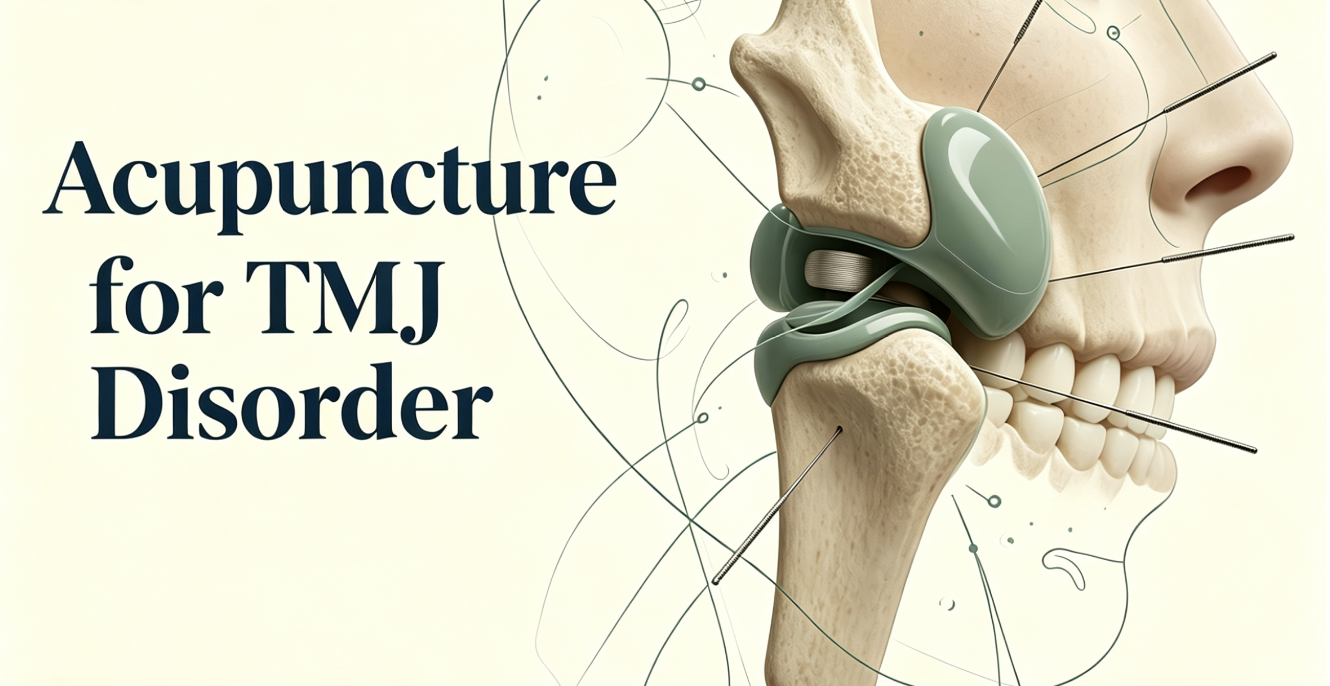
Treatment for TMJ, temporomandibular joint disorder, acupuncture treatment.
If you experience jaw clicking, facial aching, unexplained headaches, ear pressure or stiffness when you chew or yawn, you may be living with TMJ‑ temporomandibular joint disorder (TMD).
Many people live with these symptoms for months or even years without knowing where the discomfort originates. Today, Dr Virginia shares insights into this common, often misunderstood condition, combining modern anatomical understanding with traditional Chinese medicine wisdom.
Note: Companion short‑form video for this blog includes English subtitles.
Understanding TMJ from an anatomical view
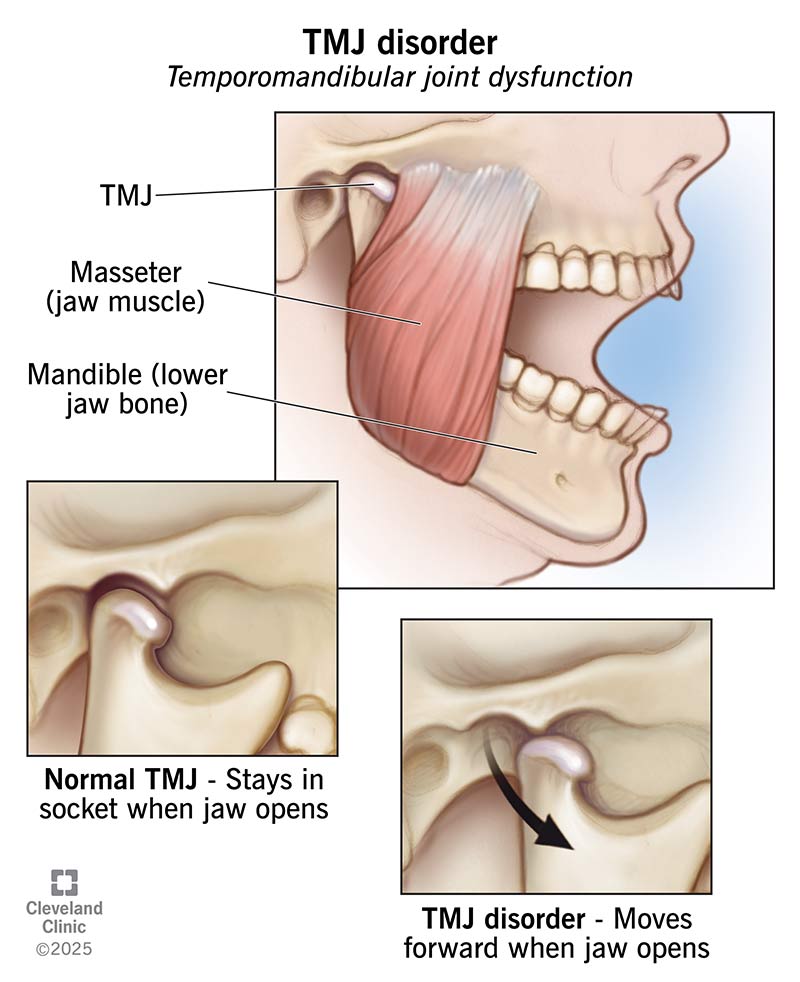
Sitting right in front of each ear, the temporomandibular joint connects your lower jawbone (mandible) to your skull (temporal bone). It is one of the most unique joints in your whole body: it works both as a hinge and a sliding joint, allowing you to talk, chew, yawn and move your jaw side‑to‑side.
Inside each joint sits a flexible fibrocartilage articular disc. This disc acts as a shock absorber, gliding smoothly between bone surfaces to prevent friction during movement. Powerful chewing muscles, ligaments and connective tissues hold the whole complex system in place.
TMJ disorder develops when any part of this system becomes disrupted:
- The cushioning disc shifts out of its normal position
- Jaw muscles stay chronically tight and overworked
- Ligaments become strained
- Inflammation builds inside the joint capsule
Common triggers anatomically include teeth grinding or clenching (bruxism), jaw injury, poor posture, dental misalignment, and persistent physical tension.
Typical TMJ symptoms you may recognise
- Clicking, popping or grating sounds when opening or closing your mouth
- Jaw pain, tenderness or facial muscle soreness
- Pain around the ear, ear fullness, no actual ear infection present
- Frequent temple headaches, neck and upper‑shoulder tightness
- Discomfort while chewing food
- Limited mouth opening, or occasional jaw locking open or shut
Some people have harmless clicking without pain, but when pain, restriction or daily discomfort appear, it is time to seek assessment.
Dr Virginia’s TCM perspective on TMJ disorder
From a Traditional Chinese Medicine lens, TMJ discomfort is not only a local jaw problem. It reflects blockages of Qi and blood flow along facial meridians, combined with internal body imbalances that increase muscle tension and joint vulnerability.
The jaw area is crossed by the Stomach, Gallbladder, Small Intestine and Triple Energizer meridians. When these channels become obstructed, pain, stiffness and restricted movement manifest. Two patterns Dr Virginia observes most frequently in the clinic:
1. Liver Qi stagnation (stress‑driven jaw tension)
This is the most common pattern for people who grind or clench their teeth, especially overnight. In TCM, the Liver governs tendons and muscle relaxation. Long‑term stress, frustration and emotional pressure cause Liver Qi to stagnate. Muscles of the jaw, face, neck and shoulders hold persistent tension as a physical result. Patients often notice jaw pain flares during busy, high‑stress periods, paired with temple headaches and sleep disturbance.
2. Qi & Blood stagnation in local meridians
Past jaw strain, old injury, or long‑held tightness creates stagnation: Qi and blood cannot circulate freely around the joint. This brings fixed, sharp or aching facial pain, joint clicking and limited jaw mobility.
Kidney essence also governs bone health in TCM. Long‑term joint wear‑and‑tear can link back to underlying Kidney deficiency, making the joint structures more vulnerable to irritation over time.
How TCM supports TMJ relief
Treatment does not only focus on the sore jaw itself. Dr Virginia’s clinical approach works on two layers: releasing local blockages in the face, while addressing the root internal imbalances driving tension.
Acupuncture is widely used for TMJ support: fine needles relax over‑tight jaw muscles, reduce local inflammation, unblock meridian Qi and calm nervous system stress responses. Local points around the jaw and ear release physical stiffness, while body points further away regulate Liver Qi and ease stress‑related clenching habits.
Herbal formulas may also be prescribed individually, to move stagnation, soothe Liver tension or nourish joints, depending on each person’s TCM pattern.
Simple self‑care tips for daily jaw comfort
Dr Virginia recommends these gentle habits alongside professional treatment:
- Avoid wide yawning, hard crunchy foods and resting your chin on your hands
- Reduce night‑time clenching triggers: wind down before bed, limit caffeine late in the day
- Gentle warm compresses over the jaw for 10 minutes to relax tight muscles
- Mindful awareness: check in during the day — many people clench their jaw unconsciously while working or scrolling
When to book an appointment
If jaw clicking comes with pain, headaches, ear discomfort or difficulty opening your mouth comfortably, do not wait for symptoms to resolve on their own. Early assessment gives you better outcomes.
At Ponsonby Wellness Centre, Dr Virginia offers integrated TCM assessment for TMJ concerns, combining pulse and tongue diagnosis, understanding your lifestyle and stress patterns, and creating a personalised care plan for your jaw health.
Disclaimer: This blog is for educational purposes only. It is not a replacement for medical or dental diagnosis. If you suspect TMJ disorder, consult both your dental practitioner and registered TCM provider
Contact us:
phone number: 021 2159963
email address: ponsonbywellness@gmail.com
57 Sussex St,
Ponsonby
Auckland 1021

